
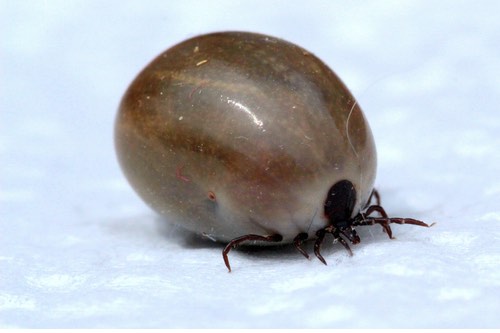
Are tick bites dangerous for my cat?
Allgemein
March 24, 2017
Fortunately, a serious illness following a tick bite is relatively uncommon in cats. The German source article notes that certain tick-borne diseases discussed in dogs have not been established in cats in the same way.
Ticks of the Ixodes group can transmit Anaplasma phagocytophilum, the agent of anaplasmosis, to cats. Affected animals may appear lethargic, have a fever and lose their appetite. A vet can assess the illness and choose appropriate treatment.
The tick Dermacentor reticulatus has been discussed as a potential carrier of Babesia species. Possible signs of babesiosis include loss of appetite, lethargy, weight loss, a poor coat, diarrhoea and anaemia. If your cat is unwell after tick exposure, seek veterinary advice rather than attempting treatment yourself.
An extremely heavy tick infestation can rarely cause anaemia through blood loss, particularly in neglected animals.
There are different tick-prevention products, including collars and spot-on treatments.
IMPORTANT: USE ONLY TICK PRODUCTS EXPLICITLY APPROVED FOR CATS.
Never use a product intended for dogs on a cat. Some ingredients used for dogs are highly toxic to cats.