
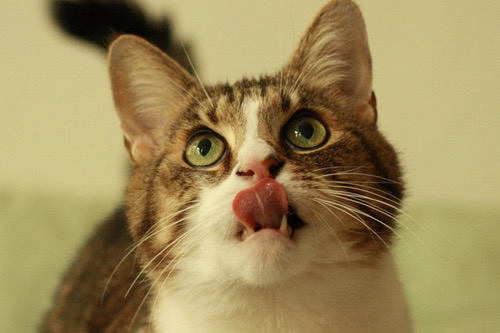
Can dogs and cats develop dementia as they age?
Allgemein
March 15, 2019
Cognitive dysfunction in dogs and cats
Cognitive abilities include perception, thinking and learning. A decline in these abilities is called cognitive dysfunction syndrome (CDS), sometimes described as dementia. A pet may have CDS when its mental abilities decline and other changes or illnesses do not explain the signs.
A study by the Animal Behaviour Clinic at the University of California reported one or more signs of cognitive dysfunction in 28% of dogs aged 11–12 and 68% of dogs aged 15–16. The reported figures for cats were 28% at ages 11–14 and more than 50% over age 15.
Diagnosis
Your vet will consider other possible causes and may use the “DISHA” checklist:
- Disorientation: changes in spatial awareness, staring into space or wandering.
- Interactions: less interest in social contact or sudden clinginess.
- Sleep–wake cycle: restlessness at night and longer periods of sleep during the day.
- Housetraining: accidents indoors or incontinence.
- Activity: reduced activity or grooming, lack of interest, and sometimes anxiety, aggression or agitation.
Support and treatment
CDS is progressive and cannot currently be cured. A care plan may nevertheless help support the animal: adjustments to its environment, mental stimulation, an appropriate diet and, where indicated, medication. Diet changes and medicines must be tailored with your vet. A thorough examination is important before treatment to rule out other causes. Ongoing support can improve your pet’s quality of life in old age.